How to Fix Tired Brickwork on a Dunstable Property
Brickwork Repair Guide — Dunstable, Bedfordshire · LU5, LU6
What to look for on tired brickwork locally, what actually fixes it, and where the common (expensive) mistakes are.
Cracks, spalling, damp patches and failing pointing on Dunstable property almost always have a cause worth diagnosing before quoting. The wrong repair on the wrong wall makes it worse, not better.
- County
- Bedfordshire
- Postcode district
- LU5, LU6
- From our Bidwell yard
- ~1 miles
- Nearby areas
- Bidwell, Beecroft, Northfields
What repointing and repair usually costs in Dunstable
Cost depends on wall area, access, whether we're on scaffold or off a tower, and whether the mortar mix is lime or cement. On a typical Dunstable property we price by the square metre for repointing and by the job for structural or chimney work — always in writing, always itemised, always after seeing the wall.
The property stock in Dunstable
Housing in Dunstable ranges from 1930s semis along the High Street North corridor to ex-local-authority terraces in Beecroft and Northfields, plus large modern estates around Manor Drive. Different eras want different repair strategies. Pre-1919 property in Dunstable should be lime-mortared and allowed to breathe; post-war cavity walls take modern cement-based mortar and different movement allowance. Getting this call right is the single biggest factor in whether the repair lasts.
What ground and damp mean for Dunstable walls
Most of the town sits on chalk and chalky boulder clay beneath shallow topsoil, which generally gives sound bearing for shallow foundations but rewards a proper trial hole before digging. Ground and drainage feed straight into how walls fail — a wall standing in wet ground will spall from the base up regardless of how nicely it's pointed. On Dunstable jobs we look at ground, gutters and DPC alongside the wall itself.
Common repair patterns we see in Dunstable
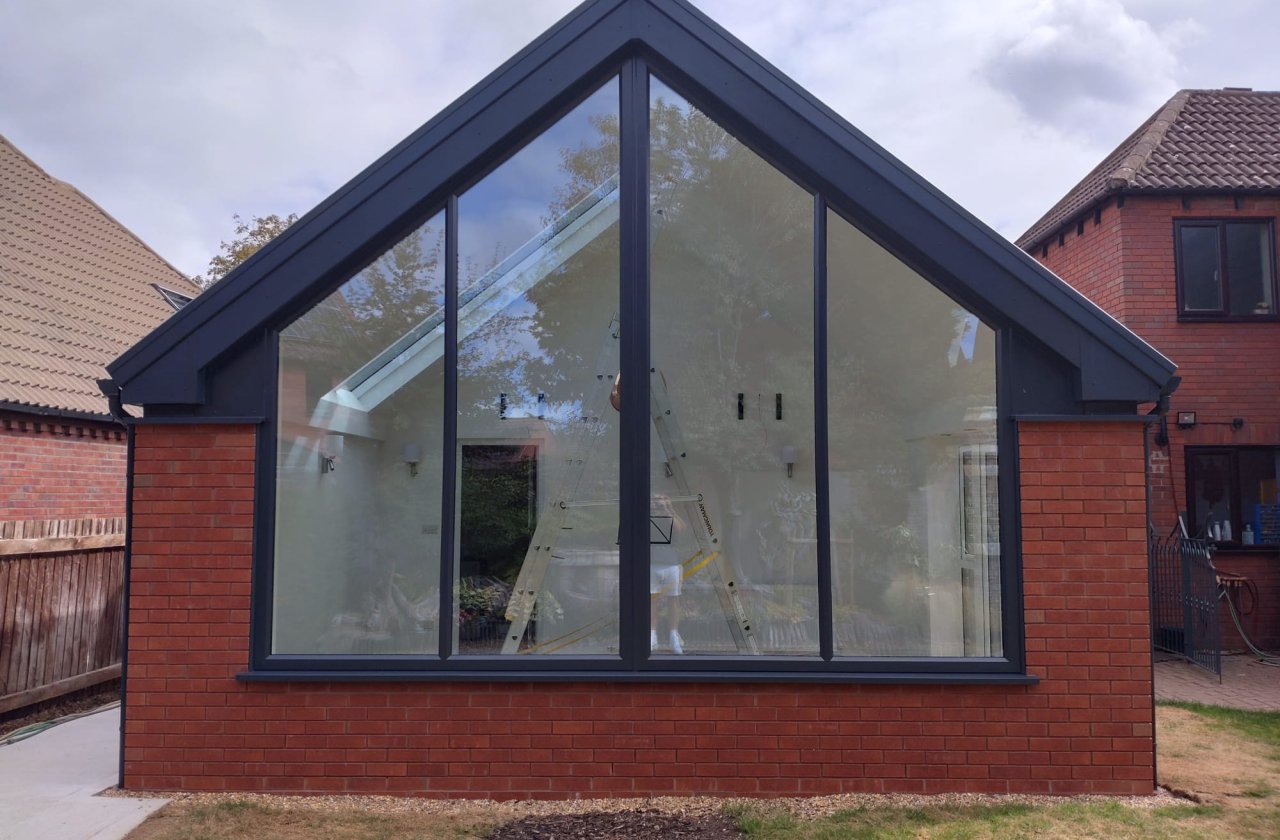
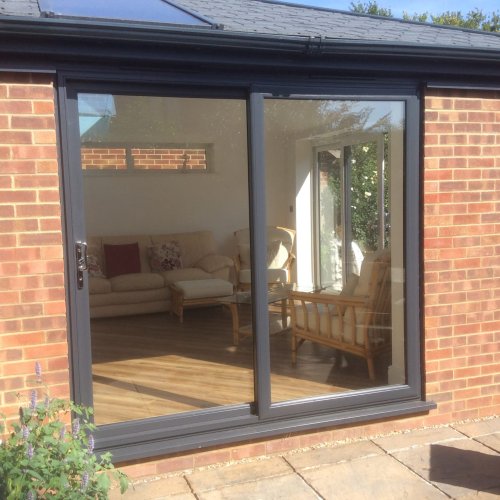
Local owners typically come to us for rear extensions, garage conversions to home offices, brick boundary walls along busier roads, and re-pointing on older properties around the town centre. Alongside those, in Dunstable we regularly see failed cement pointing on Victorian and Edwardian stock, bay-window structural repair on the older streets, chimney stack rebuilds where lead flashing has failed, and matched-brick infill after old openings or vents have been closed up badly.
Local checklist for Dunstable
- Check the mortar age — pre-1919 Dunstable property should be lime-mortared, not cement
- Photograph any cracks with a coin for scale and note whether they move with the seasons
- Check gutters, downpipes and DPC before blaming the brickwork — most damp is drainage
- Get a small sample panel of matched brick and mortar before agreeing a full repair
- On chimney work, budget for lead flashing and pot as part of the same job
- Where a wall is close to a boundary, agree access with neighbours in writing
Common mistakes we see in Dunstable
- Re-pointing pre-1919 Dunstable property with modern cement — the fastest way to blow the face off the bricks
- Painting over damp brickwork "to seal it" — traps water and rots the wall from behind
- Grinding out joints too deep or with the wrong disc — damages arrises and shows forever
- Ignoring the source of the damp and just re-doing the finish — the problem comes straight back
FAQs — brickwork repair guide in Dunstable
Is repointing disruptive in Dunstable?
Not particularly — dust is contained, access is off ladders or tower for most domestic work, and we clean down at the end of each day. Full elevations may need scaffold; we'll agree that up front.
Do you need planning permission for an extension in Dunstable?
Many single-storey rear extensions in Dunstable fall under Permitted Development if you're not in the Conservation Area, but Central Bedfordshire planners will still want a Lawful Development Certificate or full application for anything larger or on a corner plot. We can talk you through it before you commit to drawings.
How can I tell if my Dunstable property needs repointing?
Look for mortar that crumbles under a screwdriver, joints that have washed back below the brick face, or damp patches showing up on the internal wall. On older Dunstable property (pre-1919) any cement pointing is worth reviewing regardless of age.
How long does a typical garage conversion take in Dunstable?
On standard 1960s–1980s Dunstable garages we usually allow 4–6 weeks from strip-out to plastered finish, depending on whether we're moving the door for a window and what insulation upgrades the existing slab needs.
Ready to price the work?
This guide covers the planning side. For an on-site quote in Dunstable, see our bricklaying in Dunstable or read our other guide for Dunstable.
The short version for Dunstable homeowners
Diagnose before you fix, match the mortar to the era of the wall, and don't paint over damp brick. Get those three right on a Dunstable property and the repair will still be sound long after the paperwork is filed.
Worried about the state of a wall or chimney on your Dunstable property? Send us a couple of photos and we'll tell you what we see.