
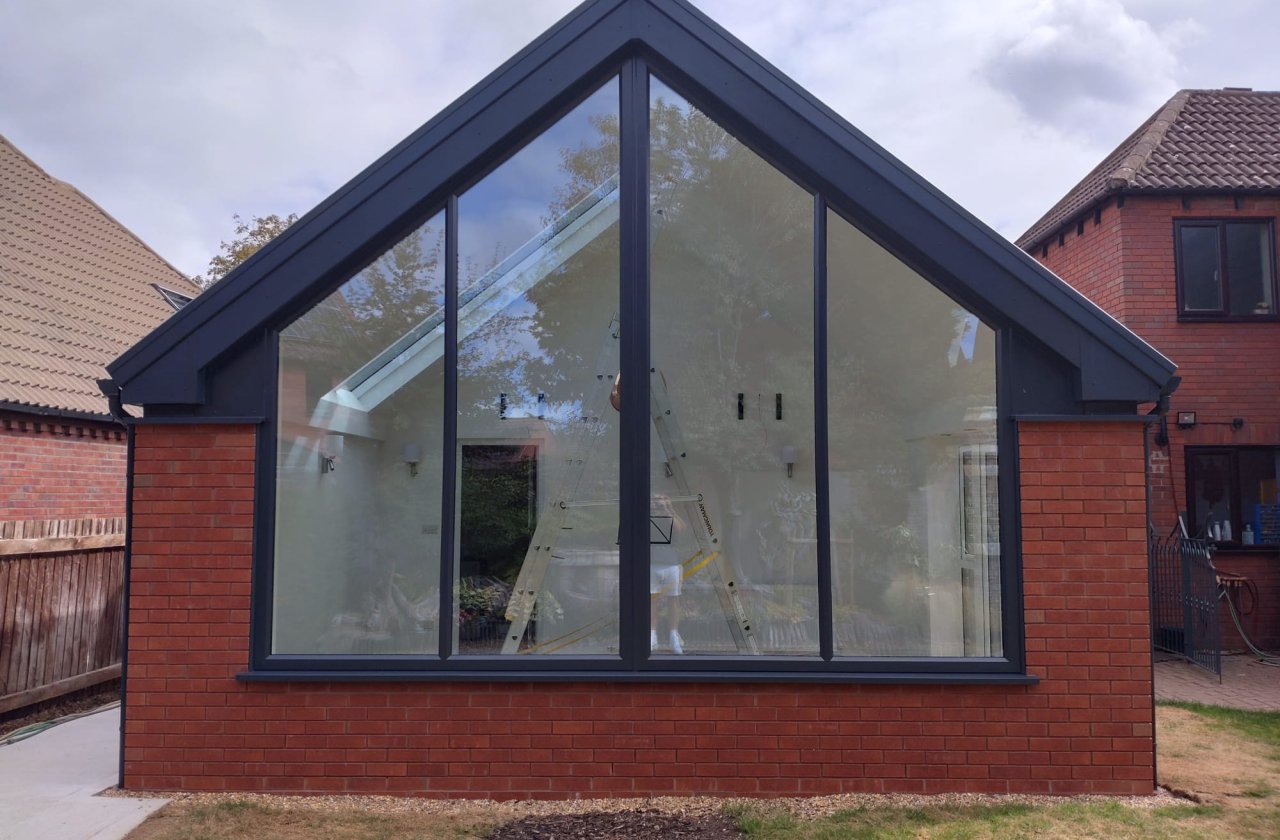
Planning an Extension in St Albans, Hertfordshire
Extension Planning Guide — St Albans, Hertfordshire · AL1, AL3, AL4
A plain-English walk-through of what planning and Building Regs actually look like when you extend a home locally.
St Albans sits around 13 miles from our yard in Bidwell, so we've built enough here to know how Hertfordshire planners treat the common cases. This is what we tell homeowners when they first ring about an extension.
- County
- Hertfordshire
- Postcode district
- AL1, AL3, AL4
- From our Bidwell yard
- ~13 miles
- Nearby areas
- Marshalswick, Jersey Farm, Fleetville
Planning route in St Albans
St Albans City and District Council operate multiple Conservation Areas and Article 4 directions, which restrict permitted development on a lot of older properties — almost every extension needs a full application. In practice for St Albans, that means most single-storey rear extensions can go through Permitted Development or a Lawful Development Certificate — but corner plots, front-facing work, anything visible in a Conservation Area, and any plot with a restrictive covenant (common on the newer Hertfordshire estates) will need a full application. It's cheap to check before drawings; expensive to fix afterwards.
Ground conditions to plan around
Built across chalk and gravel terraces above the River Ver, the city has variable foundation conditions — particularly near Verulamium Park and old water-meadow ground, where we always trial pit. That matters because your foundation depth — and cost — is decided by what the trial pit finds, not by the postcode average. On St Albans plots we'd rather dig one honest hole than promise a foundation figure we can't stand behind.
Matching the existing property
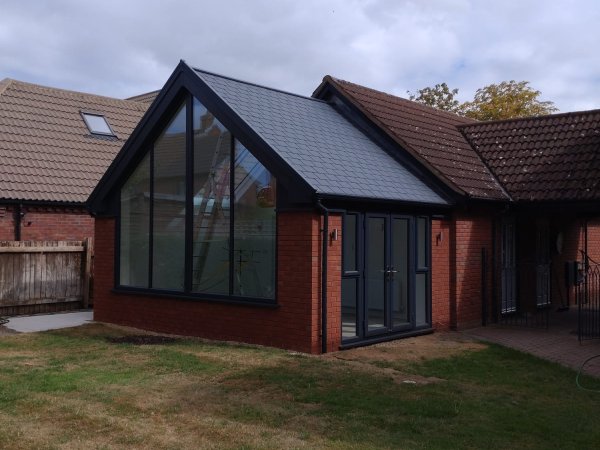
St Albans housing spans medieval timber-frame in the centre, Georgian and Victorian brick through Fishpool Street and Verulam Road, and large inter-war and modern homes through Marshalswick and Jersey Farm. A St Albans extension that reads as part of the original — matched brick blend, correct mortar, right tile and rainwater detail — will sit better on the street and value better. The wrong brick is one of the fastest ways to make a well-built extension look tacked on.
How long a St Albans extension typically takes
From first survey to Building Control sign-off, a typical single-storey rear extension in St Albans runs around 12–18 weeks on site once drawings and planning are settled — double-storey and wrap-arounds longer. We'll agree a written programme with you before starting so you know which weeks affect which rooms in the house.
Local checklist for St Albans
- Confirm which local authority covers AL1 and whether your plot is in a Conservation Area
- Check the deeds for restrictive covenants — common on newer Hertfordshire developments including parts of St Albans
- Book a trial pit before finalising foundation cost — St Albans ground varies plot by plot
- Get a matched-brick sample panel before the shell goes up
- Agree party-wall notices in writing where the extension is close to a boundary
- Plan drainage — where does rainwater from the new roof actually go
FAQs — extension planning guide in St Albans
What about extensions on new-build estates in St Albans?
On newer St Albans homes, restrictive covenants often need lifting before an extension can go ahead. We'll check the deeds for you and price the work either way.
How far across St Albans do you work?
We cover AL1, AL3 and AL4 — Marshalswick, Jersey Farm, Fleetville, the city centre and out toward Sandridge and Park Street.
Do I need planning permission for a rear extension in St Albans?
It depends on size, position and whether your plot is in a Conservation Area. Many single-storey rear extensions in St Albans sit under Permitted Development, but Central Bedfordshire, Luton Borough or the relevant Hertfordshire planning team will still expect Building Regs sign-off — and a Lawful Development Certificate is worth having on file.
Will you handle the Conservation Area planning process in St Albans?
We work alongside your architect or planning consultant — supplying brick samples, mortar mixes and pointing details that meet St Albans conservation officers' expectations.
Common mistakes we see in St Albans
- Assuming Permitted Development covers everything — several parts of St Albans sit under Article 4 or Conservation restrictions
- Pricing the foundation off a neighbour's build instead of trial-pitting the actual plot
- Choosing bricks off a photo — light on a Hertfordshire street looks very different once the wall is up
- Ignoring the party wall — a late Party Wall Award can add weeks to a St Albans programme
Ready to price the work?
This guide covers the planning side. For an on-site quote in St Albans, see our extensions in St Albans or read our other guide for St Albans.
Recap — St Albans extension planning
Get the planning route confirmed early, trial-pit the foundations, and take brick matching seriously — those three decisions carry most of the risk on a St Albans extension. Once they're settled the build itself is straightforward, and we'll happily talk any of it through on site.
Want a no-pressure feasibility chat about an extension on your St Albans plot? Ring us and we'll come and walk the property.