
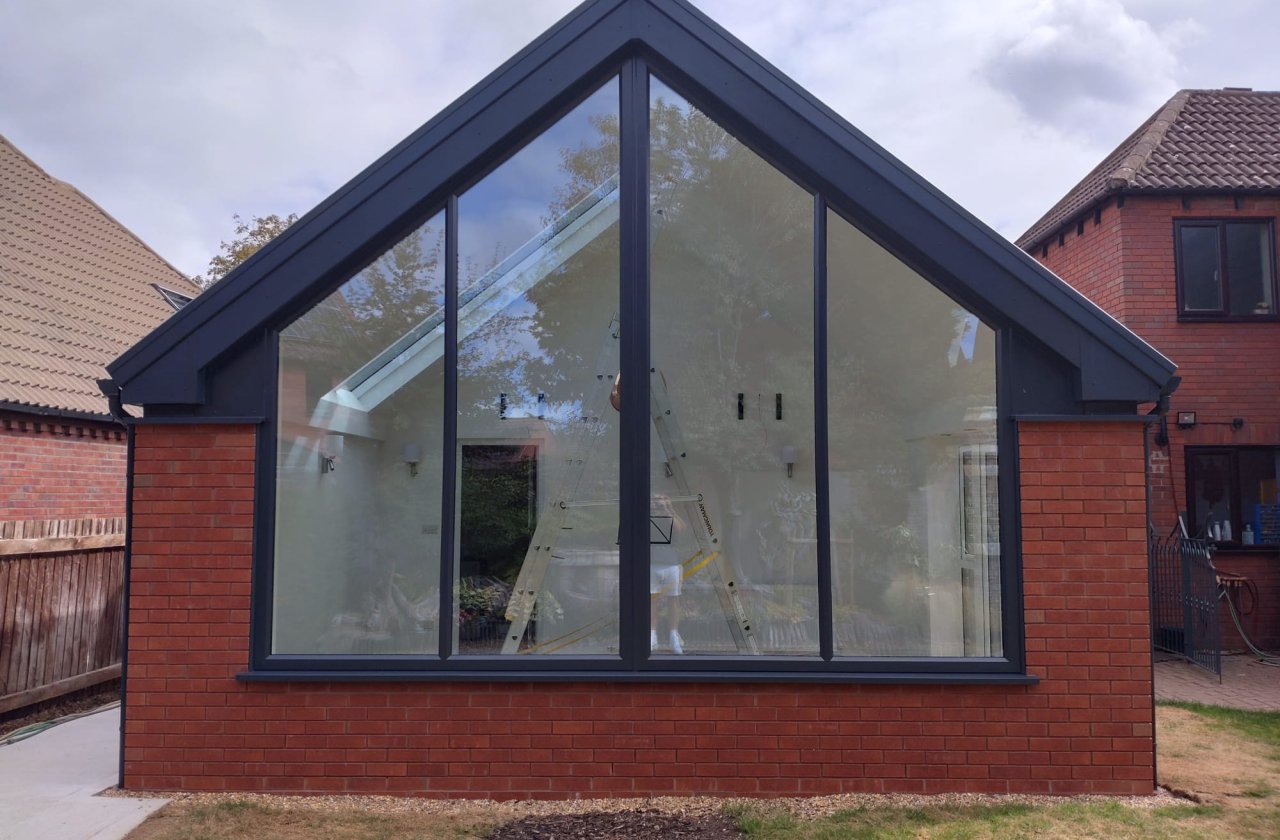
Builders in Wheathampstead
Wheathampstead (AL4) is a River Lea village two miles east of Harpenden — a genuinely old settlement with a tight historic core around the High Street, Church Street and Mount Road, and quieter twentieth-century roads spreading up the valley sides. It is close enough to our Harpenden work that our vans are through the village most weeks.
Homes and ground in Wheathampstead
Wheathampstead's stock runs from timber-framed and colour-washed period cottages along the High Street and Church Street, through solid Victorian brick terraces and villas near the old station line, to 1930s semis and detached houses on the valley slopes and pockets of 1960s–1990s family housing off Marford Road and Codicote Road. The period cottages are frequently lime-mortared, with soft handmade brick, flint and rendered elevations that will not tolerate cement repairs.
The village sits in the Lea valley — chalk on the higher ground either side, but alluvial silt, gravel and made ground on the flat near the river and the old mill. Water tables can be high close to the Lea, so foundation depth, drainage and any lowered patio or garden room base need designing for the actual ground rather than a standard detail. We trial-pit as a matter of course on riverside plots.
Planning in Wheathampstead
Wheathampstead falls under St Albans City and District Council. The Wheathampstead Conservation Area covers the High Street, Church Street and the historic core, with several listed buildings including the church, and much of the surrounding land is Green Belt. That combination means extension scale, materials and any outbuilding are looked at closely, and Listed Building Consent applies to more properties here than most owners expect. Flood-risk considerations apply on the plots nearest the Lea.
Wheathampstead owners come to us for sympathetic rear extensions on period cottages, careful lime re-pointing and brick and flint repair, garage and outbuilding conversions on the mid-century stock, brick and flint boundary walls, and level terraces with proper drainage on the riverside gardens.
What the work looks like in Wheathampstead
Bricklaying
Wheathampstead bricklaying is mostly conservation work — lime re-pointing and soft-brick repair on the High Street and Church Street cottages, knapped flint panels, and matched Victorian stock on the villas near the old railway line.
- Hydraulic lime mortar in the correct mix and joint profile on the village's soft handmade brick — cement pointing spalls historic faces within a few winters
- Flint and brick combination walls rebuilt in the local vernacular, with a solid coping and DPC on Common and roadside boundaries
- Listed Building Consent identified early where the property sits inside the Wheathampstead Conservation Area core
Conversions
Wheathampstead conversions for us are usually garage, outbuilding and loft conversions on the mid-century and later stock up the valley sides, where there's real space to gain without touching the historic frontage.
- Slab, damp-proof membrane and insulation upgrades on garages built on the flat ground near the Lea, where moisture is a genuine risk
- Roof structure checks before any Wheathampstead loft conversion — a lot of the 1960s–1990s stock here has trussed roofs needing new steel and joists
- Brick or render infill to the front elevation that keeps a valley-side house looking original from Marford Road or Mount Road
Extensions
Wheathampstead extensions divide neatly: discreet rear additions on the conservation-area cottages, and full rear or wrap-around builds on the twentieth-century houses off Marford Road and Codicote Road.
- St Albans District Council conservation and Green Belt tests on scale, materials and visibility from the High Street and churchyard approach
- Deeper foundations and designed surface water drainage on the alluvial ground near the River Lea and the old mill
- Matched brick, flint, render and clay tile so a new addition reads as part of the village rather than bolted onto it
Hardscaping
Wheathampstead hardscaping is often about making a sloping or wet garden usable — level terraces above the Lea flood plain, retaining walls into the valley sides, and traditional paving in the village core.
- Engineered retaining and land drainage on gardens dropping toward the Lea, sized off a real dig rather than a standard detail
- Natural stone or clay paviour terraces on a full mortar bed for longevity in conservation-area gardens
- Permeable driveway build-ups on the newer estate plots so front-garden surfacing doesn't create a run-off problem
Wheathampstead questions
Do you work on listed and period cottages in Wheathampstead?
Yes. We work on listed and conservation-area properties in the village with the appropriate consents in place, using hydraulic lime mortar, handmade or reclaimed brick and traditional flint detailing. We'll always recommend an early conversation with St Albans District Council's conservation team before drawings are commissioned.
Is Wheathampstead in a conservation area?
The historic core along the High Street, Church Street and around the church is a conservation area, and a number of properties are listed. Much of the surrounding land is Green Belt. We check the exact designation for your address at survey stage because it changes both the planning route and the material specification.
Will the River Lea affect my extension foundations?
On plots near the river and the old mill, yes. The ground there is alluvial silt and gravel with a potentially high water table, so foundations usually go deeper than standard and surface water needs a designed solution rather than a soakaway on faith. We trial-pit before quoting so the price reflects the real dig.
How far is Wheathampstead from your base?
Around 13 miles from our yard, and it sits right next to our main Harpenden patch — so we're in the village regularly and small jobs are as welcome as full extensions.
Can you match flint and soft red brick in Wheathampstead?
Yes — knapped and cobbled flint work with lime mortar, and hand-blended soft red brick to match weathered period elevations. We order sample panels for approval on visible conservation-area work before starting.