What a party wall agreement is
In England and Wales, the Party Wall etc. Act 1996 sets out how you must deal with your neighbours before carrying out certain building work near or on a shared wall or boundary. People often call the outcome a party wall agreement. In practice it is one of two things: your neighbour giving written consent to the work after receiving a notice, or, if they do not consent, a party wall award drawn up by a surveyor or surveyors that sets out how the work will be done.
The Act is separate from planning permission and Building Regulations. Having planning approval does not remove the need to serve notice, and a party wall award does not give planning approval. This guide is general guidance; for your own project, a party wall surveyor can advise.
When the Party Wall Act applies
The Act covers three broad kinds of work. The first is work to an existing party wall, such as cutting into it to insert a steel beam for a loft conversion or extension, raising it, or thickening it. The second is building a new wall on or astride the boundary line, which is common for side-return and rear extensions on terraced and semi-detached houses. The third is excavating near a neighbour's building: digging within three metres of their structure and below the depth of its foundations, or within six metres in some cases where the dig goes deeper.
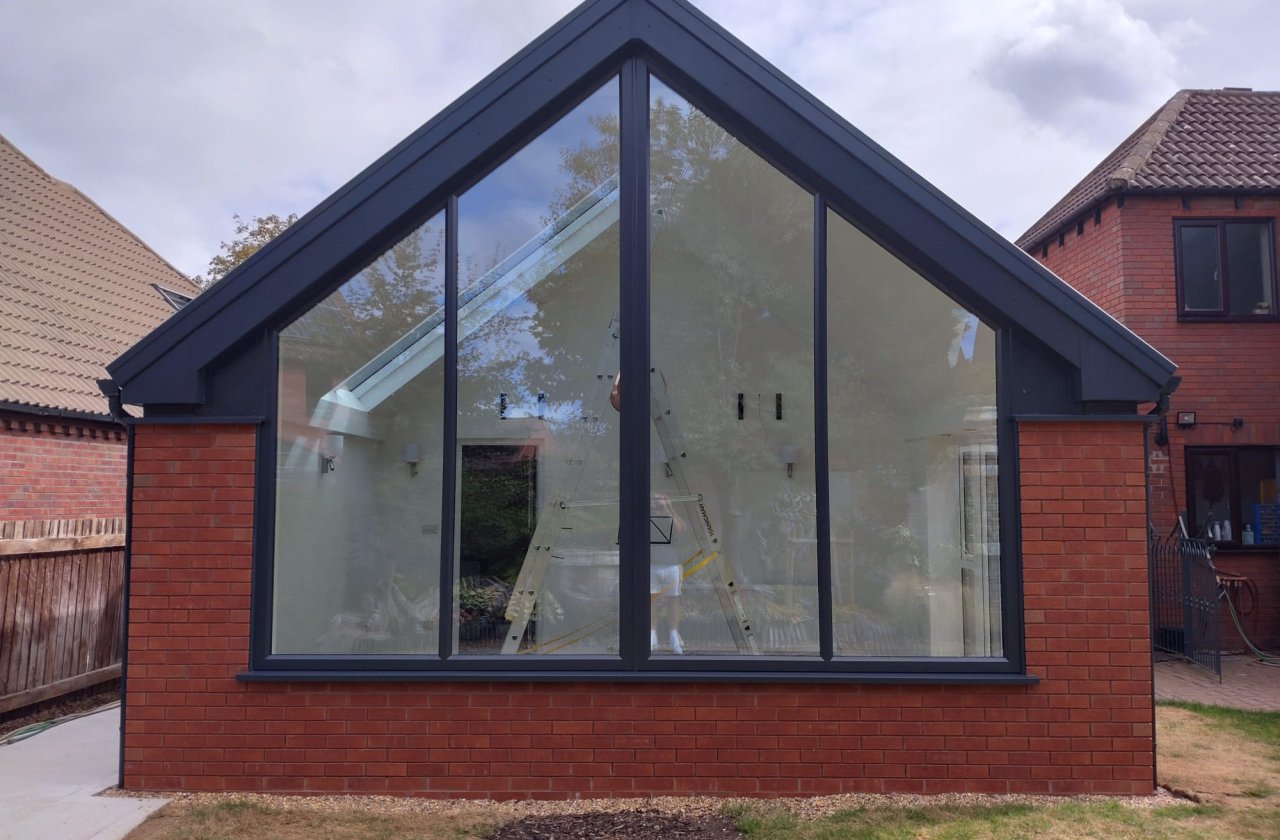
Many house extensions trigger at least one of these. A rear extension's foundations are often within three metres of the neighbour's house and deeper than its old, shallow footings. A loft conversion often involves cutting into the party wall for beams.
Serving notice
The building owner, meaning you, must serve written notice on the adjoining owner before work starts. Work on an existing party wall requires notice at least two months in advance. Building a new wall at the boundary and adjacent excavation each require at least one month. The notice describes the proposed work and, for excavation, should include drawings showing the foundations.
Talking to your neighbours before the formal notice arrives usually makes the process smoother. A friendly explanation of what is planned, with the drawings, often leads to straightforward consent.
How neighbours can respond
The adjoining owner can consent in writing, dissent, or not reply. If they consent, work can go ahead once the notice period ends. If they dissent, or do not respond within fourteen days, a dispute is treated as having arisen, and the Act's surveyor process begins.
Consenting does not remove your responsibility for damage. Many owners agree a written schedule of condition of the neighbour's property before work starts, with photographs, so that if any crack appears later there is a clear record of how things were.
Surveyors and the party wall award
In a dispute, both owners can appoint one agreed surveyor, or each appoints their own. The surveyors prepare a party wall award setting out what work will be done, how and when, and usually including a schedule of condition. The building owner normally pays the surveyors' reasonable fees. An award is binding on both owners, although either can appeal to the county court within fourteen days of receiving it.
Timing and planning your project
Because of the notice periods and the possibility of a surveyor process, it is worth starting party wall matters as soon as your drawings are settled, ideally alongside planning or Building Regulations applications. A notice lapses if work has not started within a year of it being served. Building work covered by the Act should not start until consent or an award is in place.
Your builder needs to work to the agreement or award, for example on access, working hours and protecting the neighbour's property. Our house extensions page explains how we plan and build extensions from foundations to finish, and we offer free estimates.
Want a professional to handle it?
Questions people ask
Do I need a party wall agreement for an extension?
Often, yes. If you build on or at the boundary, work on a shared wall, or dig foundations within three metres of a neighbour's building and deeper than its foundations, the Party Wall Act applies.
How long does the party wall process take?
Notice periods are two months for work on an existing party wall and one month for new boundary walls or excavation. If a dispute arises, the surveyor process adds time, so start early.
What affects the cost of a party wall agreement?
If neighbours consent there may be little cost. If a dispute arises, the building owner usually pays the surveyors' fees, which depend on the number of neighbours, surveyors and the complexity of the work.
What happens if my neighbour does not reply?
If they do not respond within fourteen days, a dispute is treated as having arisen and surveyors are appointed under the Act to prepare an award.