
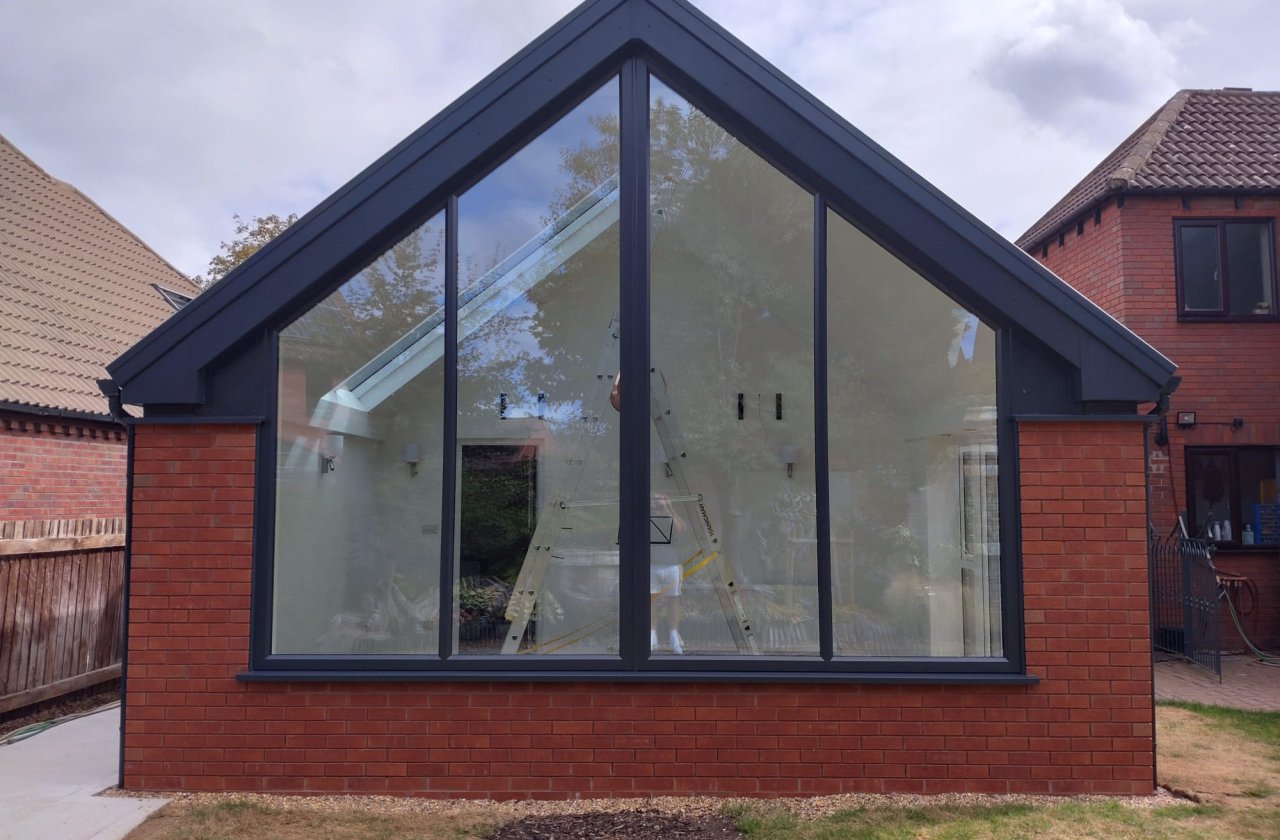
Brick garden wall builders
New garden and boundary walls, brick pillars and raised beds, plus repairs to cracked and leaning walls.
Garden walls built to last
A brick garden wall looks simple, but the ones that last have three things in common: a proper concrete footing, a brick suited to being exposed on both sides, and a coping that keeps rain out of the top. Garden and boundary walls are the first item on our bricklaying service, and we build them in the same way as the walls of a house.
We build boundary walls along the front and side of a property, low walls around patios and lawns, brick pillars for gates and fencing panels, curved walls and feature walls, and raised brick beds for planting.
Brick pillars and raised beds
Brick pillars carry gates or break up a long run of fencing. Gate pillars need a deeper footing and often a steel core, because a swinging gate puts a lot of leverage on them. Raised beds are low walls with soil behind them, so they need weep holes or drainage to stop water building up, and a lining to keep soil off the inside face.
Cracks and garden wall repair
A crack in a brick wall usually tells you something. Diagonal cracks that step through the joints often point to movement in the footing, from tree roots, a leaking drain or a wall built with no footing at all. Vertical cracks in a long wall are often thermal movement in a wall built without movement joints. A wall that is leaning has usually lost its footing, or is holding back soil it was never designed to retain.
Some walls can be repaired by taking down and rebuilding the damaged section on a new footing and stitching it into the sound brickwork. Others are leaning far enough that rebuilding is safer. Our guide to diagonal cracks in brickwork explains how to read them.
Choosing brick and coping
A free-standing garden wall is wet on both faces and along the top, so it needs a brick rated for that exposure. Frost-resistant facing bricks last; soft internal-grade bricks crumble within a few winters. A coping or brick-on-edge capping with a damp-proof course beneath it stops water running down into the wall, and a drip on the coping keeps the face cleaner. Matching an existing house brick, or picking a contrasting one for a feature wall, is part of the planning at the start of the job.
Planning permission for garden walls
Under permitted development, a new wall or fence is generally limited to 1 metre high next to a road used by vehicles and 2 metres elsewhere. Conservation areas, listed buildings and planning conditions on newer estates can tighten that, and demolishing a wall in a conservation area can need consent.
Questions people ask
- Do I need planning permission for a garden wall?
- Usually not if it is under 1 metre next to a road used by vehicles, or under 2 metres elsewhere. Conservation areas, listed buildings and estate conditions can change that.
- What affects garden wall cost?
- Length and height, single or double skin, piers, the brick and coping chosen, the footing, and any old wall to remove first. Our garden wall cost factors guide explains each one.
- Why does my brick wall have diagonal cracks?
- Diagonal cracks usually mean part of the wall has moved, often from a weak footing, tree roots or a leaking drain. The cause needs fixing before the crack is repaired.
- Can you match the brick on an existing wall?
- Yes. We match brick, bond and mortar to the existing work so new sections blend in.
Related: bricklaying · garden wall cost factors · diagonal cracks in brickwork · retaining walls · repointing.