
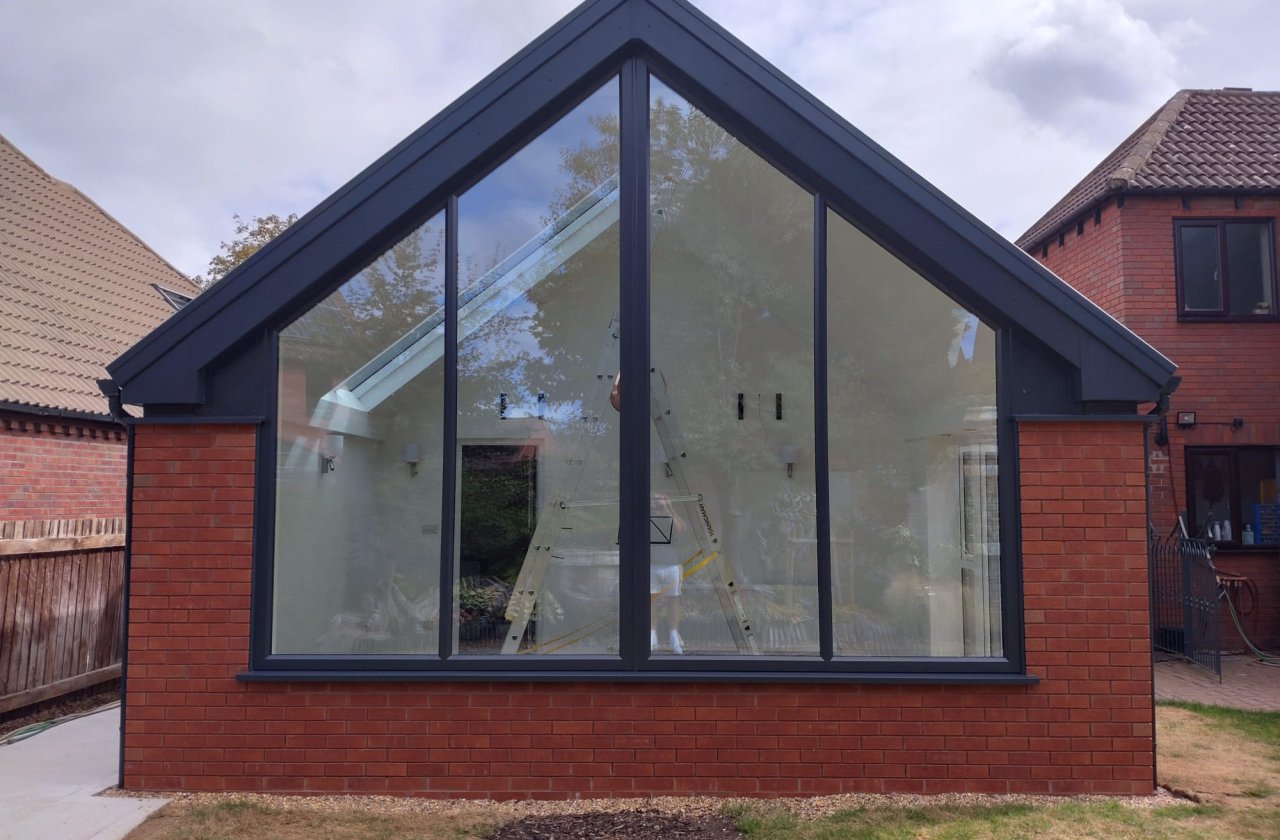
Home renovation builders
Renovating an older or tired house, from structural alterations and masonry repairs to opening up rooms and making the whole place work better.
What a home renovation covers
A house renovation can mean anything from sorting out one problem room to reworking most of the property. On the building side it usually involves a mix of structural alteration, masonry repair and making good: taking out or moving walls to change the layout, repairing brickwork and pointing that has failed, replacing lintels, dealing with damp or damaged floors, and bringing old rooms up to a standard you can decorate and live in.
Renovation differs from an extension because the work happens inside the existing shell. That brings its own challenges: the house has to stay standing and weather-tight while parts of it are altered, and what is behind a wall or under a floor is only fully known once it is opened up.
Structural work inside the house
Removing a load-bearing wall to open a kitchen into a dining room is one of the most common renovation jobs. It needs temporary support while the wall comes down, a steel beam sized by an engineer, and the bearings and piers built to carry it. The same applies to widening doorways, removing chimney breasts or cutting new openings between rooms.
Older houses often need masonry attention at the same time: repointing where mortar has weathered out, replacing spalled bricks, renewing cracked or corroded lintels over windows, and stitching cracks that have opened up over the years. Doing this while the house is being renovated anyway is usually more sensible than coming back to it later.
Planning the order of work
Renovations go best when the messy, structural work happens first and the finishes last. A sensible sequence is structural alterations and repairs, then any damp-proofing, floor and roof work, then first-fix services such as wiring and plumbing, then plastering and finishes. Trying to decorate around unfinished structural work wastes money.
If you are living in the house during the work, the sequence matters even more. We plan the job so the house stays secure and weather-tight each night, and so you keep a working kitchen and bathroom for as long as possible. Dust screens, protected walkways and a clear agreement about working hours all help.
Approvals and checks
Most internal renovation work does not need planning permission, but structural alterations need Building Regulations approval, and work on a listed building needs listed building consent even for internal changes. Party wall notices can apply where work affects a shared wall or nearby foundations. We tell you at the site visit which approvals your job is likely to need, and we build to the approved drawings and the Building Control inspector's visits.
Renovating older houses
Older houses reward careful renovation because the materials and details are worth keeping. Matching brick, mortar and roof materials to the original work keeps the house looking right, and original features such as hearths, cornices and timber floors can usually be retained and worked around rather than ripped out. Where an older house has been altered badly in the past, renovation is also the chance to put it right: removing a poorly built addition, reopening a blocked fireplace or reinstating a proper opening between rooms.
It is worth having the house looked at as a whole before work starts. A renovation that fixes the layout but ignores failed pointing, a tired roof or old lintels stores up problems, so we flag anything we see at the site visit even if it is outside the job you called about.
How we approach a renovation
We are builders and bricklayers, so the structural and masonry heart of a renovation is our own work, and we liaise with the other trades the job needs, such as electricians, plumbers and plasterers. Every renovation starts with a site visit so we can see the house, understand what you want to change and give a free written estimate for the building work.
Home renovation questions
- What is involved in a home renovation?
- Typically structural alterations such as removing walls and fitting steel beams, masonry repairs, damp and floor work, then new services, plastering and finishes. The structural and repair work comes first, the decoration last.
- How long does a house renovation take?
- It depends on how much of the house is involved and what is found once walls and floors are opened up. A single-room structural alteration is quick; a whole-house renovation takes much longer. We give a realistic programme with your estimate.
- What affects the cost of a renovation?
- The amount of structural work, the condition of the existing building, access, the approvals needed and the level of finish. Unknowns behind walls and under floors are the biggest variable, which is why a site visit matters.
- Can I live in the house during a renovation?
- Often yes, if the work is planned in stages so the house stays secure and you keep a working kitchen and bathroom for as long as possible. Larger whole-house projects are easier if you can stay elsewhere for part of the time.
- How do I choose a renovation builder?
- Look for a builder who does the structural work themselves rather than subcontracting all of it, ask how they handle unknowns found during the work, and make sure the quote states what is included. Membership of a trade body and proper insurance are worth checking.
Related: bricklaying and brick repair · RSJ and steel beams · house extensions · brick repair and spalling · case studies.